




Description
About this model
Advanced Leak Detection and Partial Discharge Monitoring with the Megger MPAC128-ATEX
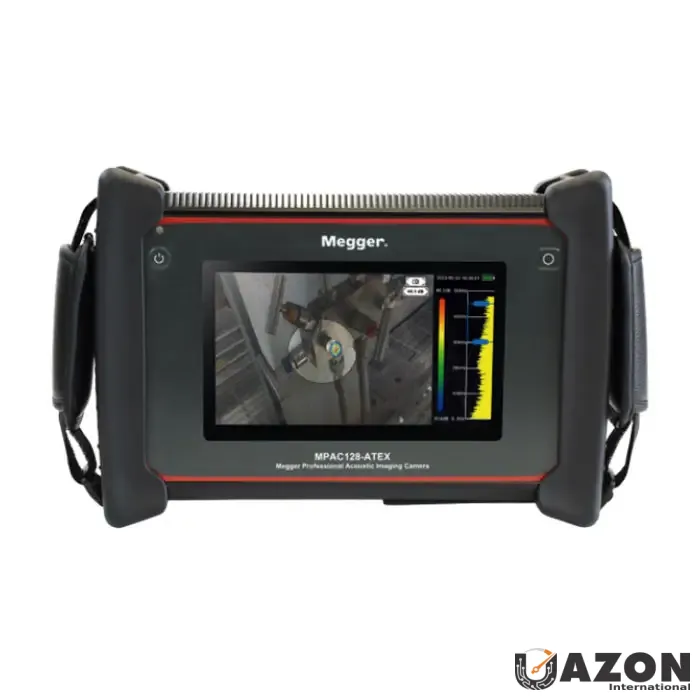
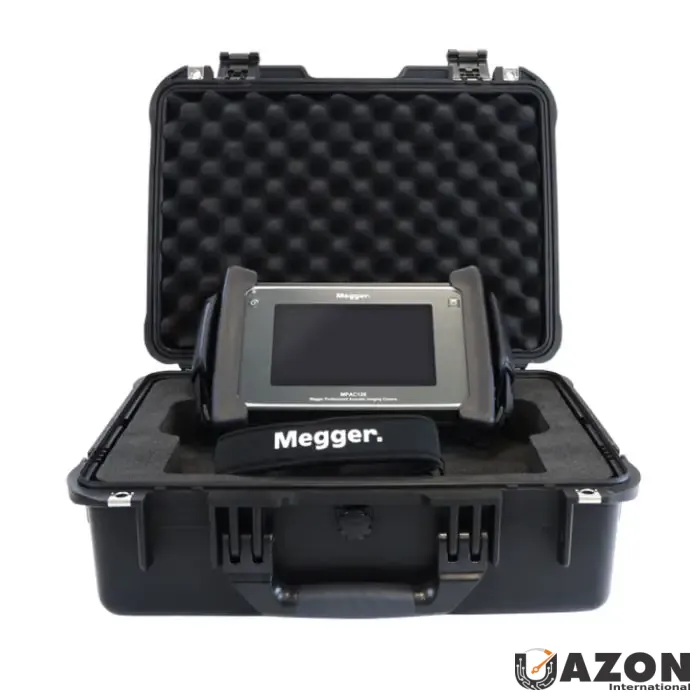
Industrial facilities face constant pressure to maintain operational safety while maximizing efficiency. Undetected gas leaks and electrical partial discharge (PD) represent significant risks, ranging from catastrophic safety incidents to costly unplanned downtime. The Megger MPAC128-ATEX Acoustic Imaging Camera is a specialized tool engineered specifically for these high-stakes environments. Designed as a hazardous area version of the standard MPAC128, this device provides clear visualization of ultrasonic sound sources, allowing maintenance teams to pinpoint issues long before they escalate. By transforming invisible sound waves into actionable visual data, this camera helps facilities address potential failures, avoid compliance violations, and prevent resource wastage.
When searching for the best price on advanced acoustic imaging technology, it is essential to understand how specific technical features translate to real-world applications. The Megger MPAC128-ATEX is not just a detection tool; it is a proactive maintenance solution. By integrating this device into your inspection routines, you can move from reactive repairs to predictive maintenance, ensuring that equipment integrity is never compromised. For teams working in volatile atmospheres, the ATEX certification ensures that the device itself is safe to operate in zones where explosive gases may be present.
Technical Features and Field Applications of the Megger MPAC128-ATEX
Understanding the technical specifications of the Megger MPAC128-ATEX is crucial for appreciating its performance in the field. While specifications on paper provide a baseline, the true value lies in how these features interact to deliver accurate results under challenging conditions. This camera is engineered to capture high-fidelity acoustic data while maintaining visual clarity, ensuring that operators can trust their readings in noisy industrial environments. When you buy the Megger MPAC128-ATEX, you are investing in a comprehensive detection system designed for precision.
- 128 Microphone Array: The dense array of microphones allows for high-resolution acoustic imaging. This configuration enables the camera to capture detailed sound maps, making it easier to distinguish between background noise and specific leak or discharge signatures. In practice, this means faster detection times and reduced false positives during inspections.
- Detection Frequency up to 48 kHz: Human hearing typically tops out around 20 kHz, but many industrial gas leaks and electrical faults emit ultrasonic frequencies well above this range. The ability to detect up to 48 kHz allows the MPAC128-ATEX to isolate these high-frequency sounds, effectively filtering out low-frequency ambient noise such as motors or steam.
- Detection Range up to 120 Meters: Long-range capability is essential for inspecting large-scale infrastructure without requiring close proximity to potentially hazardous areas. With a detection range of up to 120 meters, operators can scan pipelines, high-voltage switchgear, and storage tanks from a safe distance, significantly improving worker safety.
- 8 MP Optical Camera Resolution: Acoustic data is most useful when it is visually correlated with the physical source. The integrated 8 MP optical camera provides crisp, high-definition imagery, allowing users to overlay acoustic contours onto clear visual backgrounds. This fusion of sound and light ensures that the exact location of a leak or PD source is pinpointed with absolute accuracy.
- 7-Inch Screen: Field usability is a priority for Megger. The large 7-inch screen offers ample space to view acoustic images, analyze data, and adjust settings without squinting or relying on external tablets. Its intuitive interface allows for quick operation, reducing the learning curve for new users.
- Intelligent Analytics: Modern acoustic cameras do more than just capture sound; they interpret it. The built-in intelligent analytics process data in real-time, helping operators classify detected signals. This feature assists in decision-making by prioritizing the most critical issues that require immediate attention.
- Ultrasonic Monitoring: Continuous monitoring capabilities allow the device to track changes in ultrasonic emissions over time. This is particularly useful for trending analysis, where gradual increases in leak rates or PD activity can be tracked to schedule maintenance before a catastrophic failure occurs.